
Cargo Van Refrigeration System: Driving the Next Phase of Cold Chain Logistics
As global demand for fresh food, pharmaceuticals, and temperature-sensitive goods continues to rise, the cargo van refrigeration system is emerging as a critical technology in modern logistics. From last-mile delivery to urban distribution networks, refrigerated vans are reshaping how businesses maintain product quality, safety, and compliance throughout the cold chain.
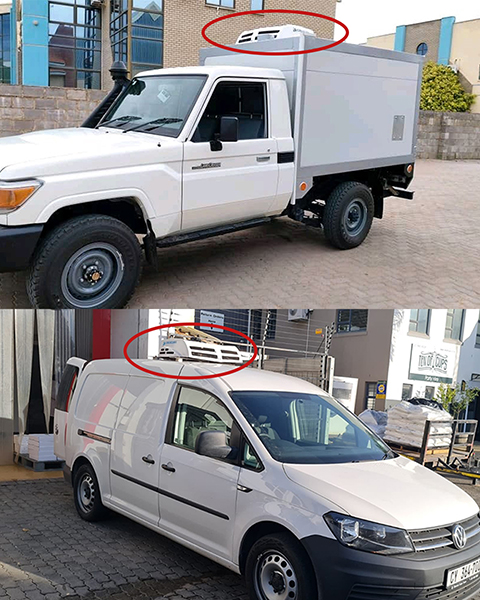
Rising Demand for Refrigerated Cargo Vans
The rapid expansion of e-commerce, meal delivery services, and pharmaceutical logistics has created a surge in demand for compact and efficient cold transport solutions. Cargo vans equipped with refrigeration systems are particularly suited for urban environments, where flexibility, maneuverability, and efficiency are essential.
Unlike large refrigerated trucks, cargo vans offer:
Faster last-mile delivery
Lower operating costs
Greater accessibility in congested cities
Flexible fleet deployment
These advantages make them indispensable for industries such as grocery delivery, catering, floral logistics, and medical transport.
How a Cargo Van Refrigeration System Works
A cargo van refrigeration system is designed to maintain precise temperature conditions inside the cargo area, ensuring that perishable goods remain stable during transport.
Modern systems typically include:
DC electric compressors for efficient cooling
Evaporators to circulate cold air evenly
Condensers to dissipate heat
Smart temperature control systems for accuracy
Advanced solutions now use fully electric, battery-driven technology, eliminating the need for engine-dependent cooling and enabling independent operation. According to industry data, these systems can provide consistent temperature control for both electric and conventional vans.
Key Features of Modern Systems
Recent innovations—such as those seen in Corunclima’s van refrigeration units—highlight how technology is improving performance and usability.
1. Wide Temperature Range
Modern cargo van refrigeration systems can handle both chilled and frozen goods, typically ranging from +25°C down to -20°C, depending on the model.
This flexibility allows a single vehicle to transport diverse products, from fresh produce to frozen foods.
2. Battery-Driven Efficiency
Fully electric systems powered by DC batteries are becoming increasingly popular. These systems:
Reduce fuel consumption
Eliminate engine idling
Support zero-emission logistics
Battery-powered units are compatible with both electric vehicles and traditional engine vans, expanding their application across fleets.
3. Compact and Space-Saving Design
Modern evaporators are ultra-slim, maximizing cargo space while maintaining strong airflow and cooling performance.
This is especially important for small and mid-size vans where every cubic meter matters.
4. Reliability and Durability
High-quality systems are engineered for long-term use, with service lifespans reaching up to 10 years and warranties often extending to five years.
5. Safety and Smart Protection
Built-in safety features such as low-voltage protection and high-pressure monitoring ensure stable and secure operation during transport.
Applications Across Industries
Cargo van refrigeration systems are widely used across multiple sectors:
Food & Grocery Delivery
Ensures fresh and frozen products maintain quality from warehouse to customer doorstep.
Pharmaceutical Logistics
Provides precise temperature control for vaccines, medicines, and sensitive healthcare products.
Floral and Catering Services
Maintains freshness and extends product shelf life during transport.
Last-Mile Distribution
Supports daily operations for businesses relying on consistent cold chain performance.
Market Shift Toward Electric Refrigeration
One of the most significant trends in the industry is the transition toward all-electric refrigeration systems. These systems are designed to meet increasingly strict environmental regulations while reducing operational costs.
Key benefits driving adoption include:
Zero emissions during operation
Lower maintenance due to fewer mechanical components
Quiet performance suitable for urban and night deliveries
Compatibility with electric vehicle fleets
In particular, battery-powered refrigeration units are gaining traction in North America and Europe, where sustainability and compliance are becoming top priorities.