
Breaking New Ground in Green Cold Chains: Electric Truck Refrigeration Units Accelerate onto the Fast Lane
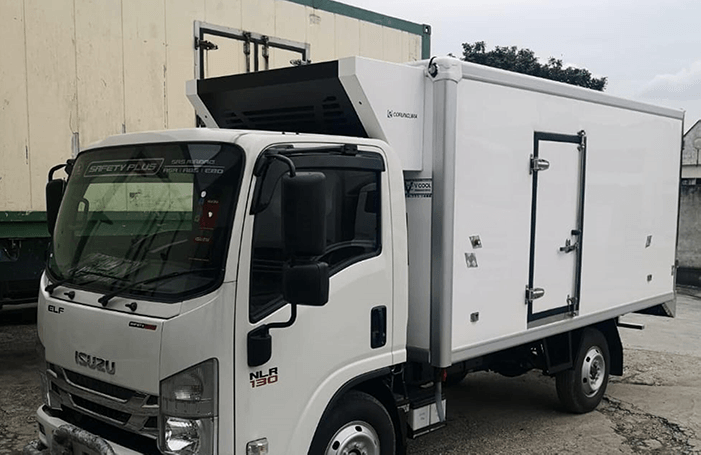
Technological Breakthrough: A "Silent Revolution" Bidding Farewell to the Diesel Era
Against the global backdrop of addressing climate change and advancing green transportation, the cold chain logistics industry is undergoing a profound transformation, beginning with its very "power source." As critical equipment for refrigerated transport, truck refrigeration units have long relied on diesel power; this dependence not only results in high energy consumption but also imposes a dual burden of noise and emissions within core urban areas. Today, however, the wave of electrification has swept across this specialized sector.
The new generation of electric refrigeration units utilizes pure electric drive technology, integrating high-efficiency variable-frequency compressors with intelligent temperature control systems. Under operating conditions such as parking for unloading, waiting at ports, or conducting urban deliveries, these units truly achieve zero emissions and low-noise operation. Their energy can be drawn either directly from the vehicle's main power battery or from a dedicated, independent battery pack, enabling continuous refrigeration over extended periods. The maturation of this technological pathway has transformed the concept of a "silent cold chain" into reality, offering a more eco-friendly solution for urban logistics and nighttime delivery operations.
Policy Shift: Global Regions Tilt Toward Electric Cold Chains
From Europe to North America, regulatory bodies are gradually tightening restrictions on diesel-powered refrigeration units. Numerous international cities have incorporated refrigerated trucks into their low-emission zone management frameworks, establishing access thresholds—or even outright bans—for highly polluting refrigeration equipment. Concurrently, a suite of supportive policies—including purchase subsidies, tax incentives, and priority road access rights—specifically targeting new-energy refrigerated vehicles has been rolled out, serving as a key catalyst for accelerating fleet modernization and replacement.
At the level of international organizations, emission standards for cold chain equipment are also becoming increasingly stringent. Environmental and transportation agencies continue to advocate for the inclusion of refrigeration units within the regulatory framework for non-road mobile machinery emissions, thereby compelling manufacturers to accelerate the strategic deployment of electric product lines. This policy-driven guidance has not only hastened the phase-out and renewal of existing fleets but has also opened up vast opportunities for growth within the emerging market for electric refrigeration units.
Industry Collaboration: Leading Manufacturers Compete in a New Arena
Shifts in market demand are rapidly rippling through every link of the industrial chain. Major international commercial vehicle manufacturers have now integrated electric refrigeration units as factory-installed options, optimizing energy and thermal management systems at the vehicle level to resolve the complex challenge of coordinating power allocation between the refrigeration system and the vehicle's propulsion system. Meanwhile, multinational refrigeration equipment manufacturers—long-time dominant players in the cold chain equipment market—are rolling out new generations of all-electric product lines, engaging in a technological race focused on energy efficiency, reliability, and intelligent control.
Concurrently, independent battery system suppliers, charging infrastructure operators, and fleet management platforms have begun undertaking customized development tailored specifically to cold chain scenarios. An industrial ecosystem characterized by the synergistic development of vehicles, refrigeration units, charging stations, and cloud platforms is taking shape, providing a solid foundation for the large-scale adoption of electric refrigeration units. Once met with a "wait-and-see" attitude from users due to high initial investment costs, electric refrigeration units are now gradually gaining market trust, driven by their significant operational cost advantages and environmental benefits.
Real-World Challenges: Balancing Range and Refueling Bottlenecks
Despite continuous technological advancements, the widespread adoption of electric refrigeration units still faces common hurdles. Balancing the energy consumption required for refrigeration against the vehicle's driving range remains one of the core challenges in current technological integration efforts. In certain application scenarios, where the refrigeration system shares a battery pack with the vehicle's powertrain, fluctuations in driving range can occur, thereby imposing constraints on long-haul cold chain transport operations.
Furthermore, the scarcity of dedicated refueling infrastructure has emerged as a significant impediment to market expansion. Key nodes within the cold chain transport network—including seaports, major agricultural wholesale markets, and logistics parks—generally lack high-power charging stations specifically designed for refrigeration units. The lagging development of this charging network has dampened user acceptance of electric solutions. Resolving this issue will require the collaborative efforts of energy suppliers, facility operators, and equipment manufacturers.
Future Outlook: A New Chapter for Green Cold Chains
As the energy density of power batteries continues to rise, as battery-swapping models gain deeper traction within the commercial vehicle sector, and as intelligent energy management algorithms reach maturity, the aforementioned bottlenecks are expected to be overcome within the coming years. Industry observers generally agree that electric refrigeration units are currently transitioning from an early-stage demonstration phase into a critical window for commercial-scale market expansion.
From "last-mile" urban delivery to regional cold chain trunk lines, and from the transport of food and pharmaceuticals to high-end fresh produce logistics, the application scenarios for electric refrigeration units are constantly expanding. Their widespread adoption signifies not only a shift toward cleaner energy sources for cold chain equipment but also marks a pivotal moment in the logistics industry—demonstrating its commitment to addressing the demands of urban development and environmental protection in a more sustainable manner, all while simultaneously pursuing operational efficiency.
The rise of electric refrigeration units for trucks represents a transformative shift—one that begins with the power source, yet extends far beyond mere propulsion. Across the vast landscape of the green cold chain, this technological trajectory—transitioning from "roar" to "silence"—is serving as a vivid testament to the low-carbon transformation of global transportation.