
Ambulance Electric Air Conditioning: A Silent Revolution in Emergency Medical Environments
Inside the ambulance, this mobile emergency medical unit, a quiet environmental revolution is underway. Traditional air conditioning systems, which rely on the vehicle's engine, are being gradually replaced by a new generation of independent electric air conditioning technology. The core of this transformation is the leap from "needing to start the vehicle to regulate the temperature" to "precise temperature control anytime, anywhere."
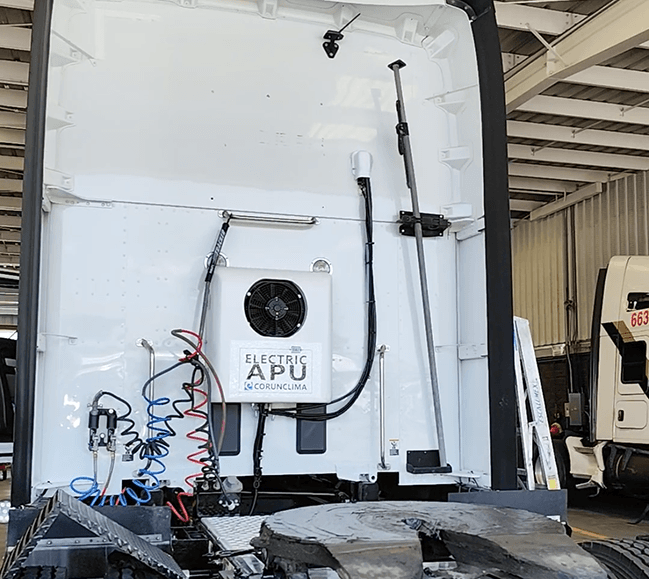
From Dependence to Independence: A Fundamental Shift in Energy Mode
Traditional ambulance air conditioning systems are closely tied to the car engine, a design with significant limitations. When the vehicle is stopped but air conditioning is still needed, the engine must continue to idle, resulting in energy waste, noise, and exhaust emissions.
Electric air conditioning systems break this dependence. They have independent power supply and control systems, operating completely independently of the engine, bringing unprecedented flexibility to ambulance environmental control.
Ensuring Stability in a Professional Medical Environment
The stability of the ambulance's internal environment is crucial for patient care. Many patients are extremely sensitive to temperature changes, especially vulnerable groups such as those with cardiovascular diseases, newborns, and burn victims. Traditional air conditioning, due to its reliance on the engine, often struggles to maintain a constant temperature environment during vehicle starts, stops, and idling.
The electric air conditioning system, through its independent temperature control mechanism, can achieve precise and continuous environmental regulation, providing patients with a stable transport environment and reducing the risk of secondary medical complications caused by temperature fluctuations.
Substantial Improvement in the Working Environment for Emergency Personnel
The ambulance is not only a means of transporting patients but also the workplace for emergency personnel. In traditional systems, the engine, which has to idle for extended periods to maintain air conditioning, exposes emergency personnel to continuous vibration and noise while waiting for assignments or performing tasks inside the vehicle.
The silent operation of the electric air conditioning system significantly improves the working environment for emergency personnel. A quiet interior environment is not only conducive to medical procedures but also allows medical staff to get better rest between transfers, thereby improving overall emergency care quality.
A Double Breakthrough in Environmental Protection and Energy Saving
From an energy utilization perspective, electric air conditioning systems demonstrate clear efficiency advantages. Traditional systems consume a large amount of fuel and have low energy conversion efficiency when running the air conditioning while idling. In contrast, electric systems directly utilize electrical energy for temperature regulation, making energy utilization more direct and efficient.
This shift also brings environmental benefits. Reducing unnecessary engine running time means lower fuel consumption and exhaust emissions, making ambulances, vital life-saving tools, active contributors to urban environmental protection.
Comprehensive Improvement in System Reliability
In emergency medical situations, equipment reliability directly impacts the effectiveness of treatment. Traditional air conditioning systems are highly coupled with the engine; if the engine fails, the air conditioning system often fails as well.
The independence of electric air conditioning systems gives them higher system reliability. Even if the vehicle's power system malfunctions, the air conditioning can continue to operate, ensuring that patients remain in a suitable temperature environment during transport, providing another layer of protection for life support.
Future-Oriented Emergency Vehicle Design
The widespread adoption of electric air conditioning technology is changing the overall design philosophy of ambulances. The independent environmental control system allows for more flexible vehicle layouts, and the electrified architecture better meets the growing power demands of emergency medical equipment.
This transformation aligns perfectly with the development direction of global emergency medical systems. Electrified and intelligent ambulance environmental control systems not only improve the quality of current emergency care but also leave room for the integration of more advanced medical equipment in the future.