News
-
04-30 2026
Emergency Vehicle Air Conditioner: Enhancing Comfort and Safety in Critical Care Transport
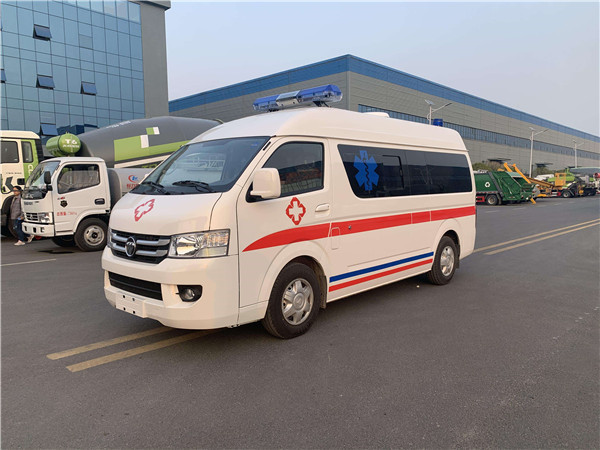
Ambulances and other emergency response vehicles operate in highly variable environments. Summer heat, heavy traffic, and prolonged idling can create extreme cabin temperatures, which may compromise patient care, strain medical equipment, and reduce crew efficiency. An emergency vehicle air conditioner provides precise temperature control to maintain a stable and comfortable environment inside the cabin. Unlike standard vehicle AC systems, these units are engineered to operate under high-demand conditions, offering reliable performance during emergencies when the vehicle may be running at low speeds or stationary for extended periods.
-
04-29 2026
Electric Truck Refrigeration Units Accelerate Adoption: Zero-Carbon Cold Chains Move from "Feasible" to "Mainstream"
As global demand for cold chain logistics continues to rise—coupled with the accelerating pace of decarbonization in the transportation sector—electric truck refrigeration units are rapidly evolving from a nascent technology into a core direction for the upgrading of cold chain transport equipment. Compared to traditional diesel-powered refrigeration units, all-electric cooling solutions not only achieve dual zero-emission status—covering both vehicle propulsion and refrigeration—but also significantly reduce noise pollution during urban distribution, thereby becoming a pivotal component of green urban logistics ecosystems.
-
04-29 2026
Cold Chain Truck Refrigeration: Powering Reliable and Sustainable Logistics
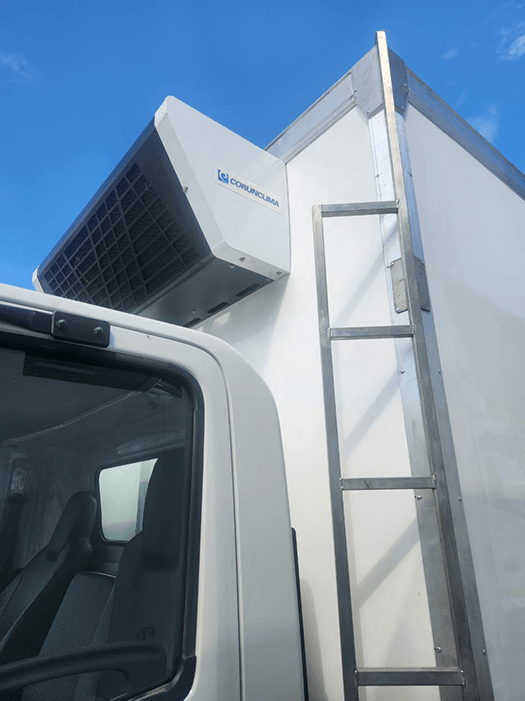
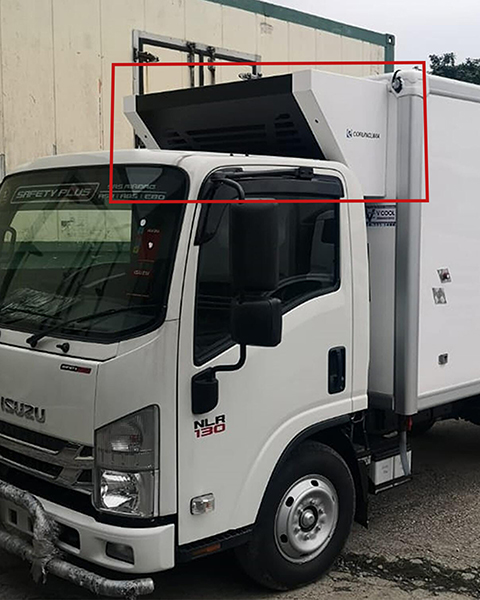
Cold chain truck refrigeration systems—commonly known as transport refrigeration units (TRUs)—are designed to preserve cargo integrity by maintaining consistent temperatures from loading to delivery. These systems are essential for preventing spoilage, ensuring regulatory compliance, and protecting public health. As demand for fresh and safe products continues to rise, refrigerated trucks have become indispensable across industries. They support everything from urban distribution to long-haul transportation, forming the backbone of modern cold chain logistics.
-
04-28 2026
DC Electric Refrigeration Units: Leading a New Trend in Green
Refrigeration Against the backdrop of the global acceleration of green and low-carbon development, DC electric refrigeration units, with their outstanding advantages such as high efficiency, environmental friendliness, and compatibility with renewable energy, are gradually becoming an important direction for the transformation and upgrading of the refrigeration industry. Whether it's the integrated thermal management of new energy vehicles or the green transformation of cold chain logistics, DC refrigeration technology is injecting new momentum into multiple fields.
-
04-28 2026
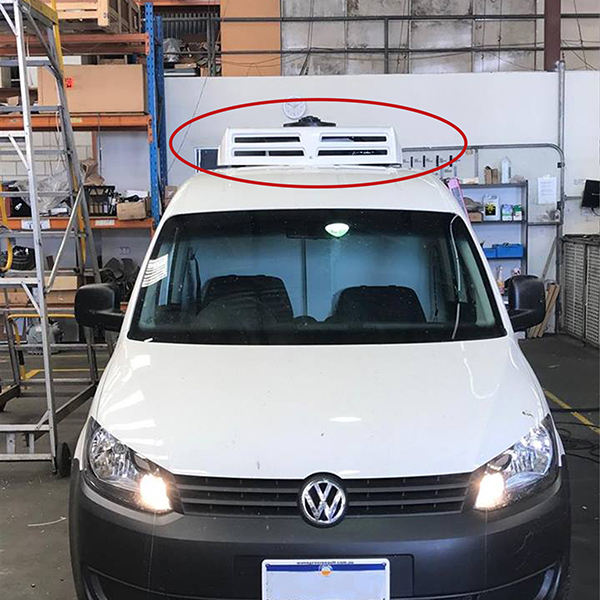
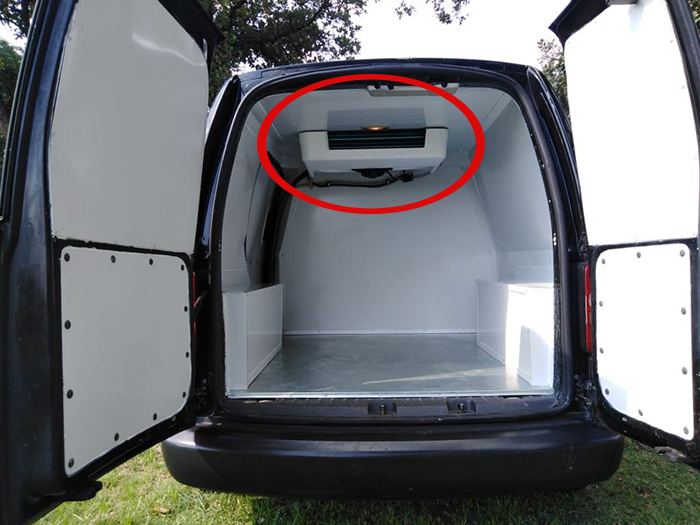
Transport Refrigeration Unit for Van: Driving Efficiency in Cold Chain Logistics
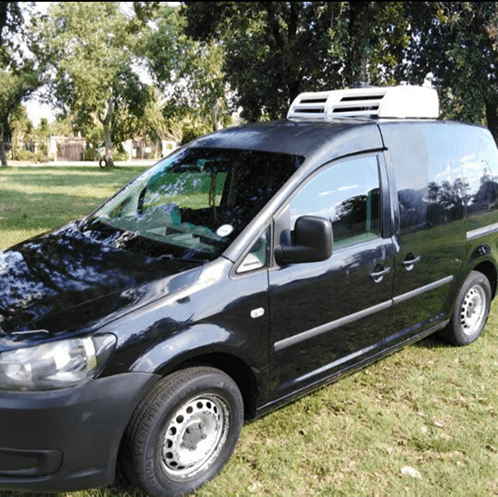
26+ Years Experience in Mobile Temperature Control System Innovative Technology Corunclima, being the partner of China domestic vehicle builders and started to supply cooling products to refrigerated truck and bus manufacturers fleeting companies etc in more than 50 countries all over the world Corunclima thoroughly understands the needs andchallenges in cooling solutions for commercial vehicles and have introduced superior cooling products "made and created in China" to all our international partners and clients have been helping to grow our partners' business and improve our client's benefit
-
04-27 2026
The Rapid Rise of Electric Truck Air Conditioning: Ushering in a New Era of Parking Comfort and Green Efficiency
In long-haul road transport, truck drivers have long faced a persistent dilemma: during summer stops or overnight rest periods, activating the air conditioning required keeping the diesel engine idling for extended periods. This practice not only consumes vast amounts of fuel and generates noise and exhaust fumes but also accelerates engine wear. In recent years, driven by upgrades to onboard electrical systems and the spillover of new energy technologies, electric air conditioning for trucks is rapidly transitioning from an optional extra to a mainstream standard—emerging as a pivotal solution for improving drivers' working environments while simultaneously reducing operating costs and carbon emissions.
-
04-27 2026
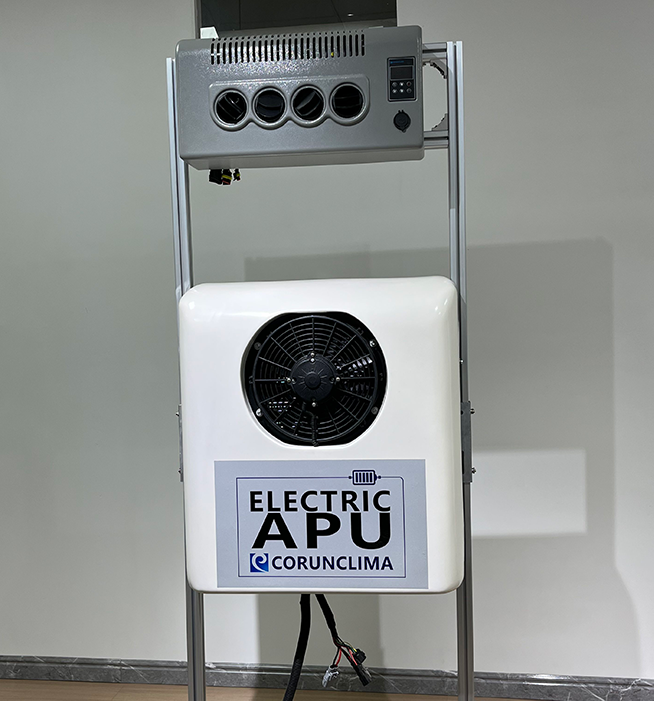
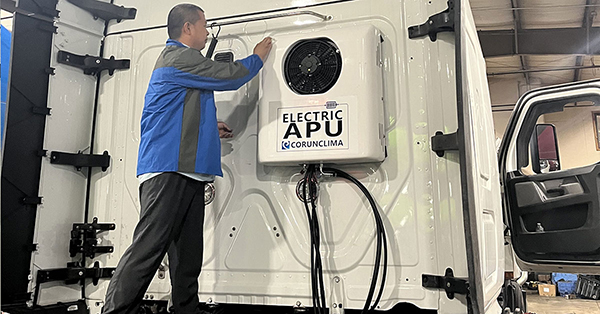
Semi Truck Parking AC: Electric APU Technology Reshaping Idle-Free Cooling in the U.S.
The evolution of semi truck parking AC technology reflects a broader transformation in the trucking industry. Electric APUs offer a practical, efficient, and compliant solution for maintaining cabin comfort without engine idling. By reducing fuel costs, lowering emissions, and improving driver experience, these systems are setting a new standard for idle-free cooling in the United States and beyond. For fleets aiming to stay competitive and compliant, adopting electric parking air conditioning is no longer optional—it is becoming essential.
-
04-24 2026
Accelerating the Green Transition in Cold Chain Logistics: All-Electric Refrigeration Units Emerge as the New Industry Standard
Driven by the ongoing pursuit of "Dual Carbon" goals—achieving peak carbon emissions and carbon neutrality—the traditional cold chain transport sector is undergoing a profound transformation, shifting from a reliance on fossil fuels to full electrification. As a core component of cold chain logistics, all-electric refrigeration units are rapidly moving from the conceptual stage to large-scale commercial deployment. Thanks to their standout advantages—including zero emissions, low noise levels, and high efficiency—they are fast becoming the preferred choice for major logistics enterprises looking to modernize their fleets. For decades, refrigeration units in cold chain transport have relied primarily on diesel engines for power. This approach not only entails high fuel consumption but also faces increasingly stringent emission regulations, particularly within urban distribution networks. The noise and exhaust fumes generated by diesel units have long been operational pain points—especially when making deliveries to residential areas during nighttime hours. The advent of all-electric refrigeration units offers a fundamental solution to this persistent dilemma.
-
04-24 2026
Engine Driven Transport Refrigeration: Efficient Cooling for Modern Cold Chain Logistics
Corunclima has 26+ years of experience in mobile temperature control systems and innovative technology, as well as 16+ years of experience in OE, ODM, and project business cooperation with top brands in 10+ countries.We specialize in the R&D and manufacturing of electric APU transport refrigeration units and air-conditioning systems for trucks, vans, buses, and various other vehicles.Each Corunclima product is supported by an international dealer network and our own proprietary network, ensuring consistent pre- and after-sales consultation and technical support.We firmly believe that our products will ideally satisfy your needs.
-
04-23 2026
Electric Truck Refrigeration Equipment Accelerates Breakthroughs; Cold Chain Logistics Enters a New "Green" Lane
Driven by the dual forces of the "Dual Carbon" strategy and consumer upgrades, electric truck refrigeration equipment is emerging as the core engine for the transformation and upgrading of the cold chain logistics industry. As demand for high-end logistics—such as fresh food e-commerce and pharmaceutical cold chains—continues to climb, the market for new-energy refrigerated vehicles is entering a period of rapid growth. Consequently, the refrigeration equipment that serves as a critical supporting component for these vehicles is undergoing a profound transformation, spanning everything from technology to the broader ecosystem. Traditional cold chain transport has long relied on fuel-driven refrigeration units, which suffer from high energy consumption, excessive noise, and increasingly acute emissions pressures. In contrast, electric truck refrigeration equipment utilizes pure electric drive technology, enabling zero emissions for both the vehicle and its refrigeration system while simultaneously drastically reducing operating costs and maintenance complexity; it is now rapidly accelerating toward large-scale commercial application.